There is a question we get asked more than any other. It arrives in different forms — politely, skeptically, sometimes with an edge — but it is always the same question: are lab-grown diamonds real?
The answer is yes. Categorically, scientifically, and in every sense that matters to the person wearing one. A lab-grown diamond is carbon arranged in the same crystal lattice as a mined diamond. It has the same refractive index, the same hardness, the same fire. A gemologist cannot distinguish one from the other without specialized equipment — not because lab diamonds are a clever imitation, but because they are the same thing.
The difference is not in the stone. It is in the story of where it came from.
How they are made
Lab diamonds are grown in one of two ways. The first, High Pressure High Temperature (HPHT), replicates the conditions deep in the earth — extreme heat, extreme pressure, a carbon seed. The second, Chemical Vapor Deposition (CVD), grows the crystal layer by layer from a carbon-rich gas in a controlled chamber. Both processes take weeks. Both produce diamonds graded and certified by the same laboratories — GIA, IGI — that grade mined stones.
Every diamond we use comes with a full certificate of origin. Not as a marketing gesture. Because provenance is part of what you are buying, and you deserve to know exactly what that means.
The question of origin
Diamond mining is one of the most resource-intensive extraction processes on earth. A single carat requires moving roughly 250 tonnes of earth. The water use, land disturbance, and carbon footprint of a mined stone are significant — and in certain supply chains, the human cost is significant too. The industry has made progress. Certification systems exist. But ambiguity remains, and we are not comfortable with ambiguity in what we put our name on.
We chose lab-grown diamonds before they were fashionable. Not because it was an easy position — early on, it required a lot of explanation — but because it was the honest one. We could not account for the full journey of a mined stone, and we did not want to pretend otherwise.
The most beautiful thing about a lab diamond is not what it looks like. It is what you do not have to wonder about.
On value
Lab-grown diamonds are less expensive than mined ones of equivalent grade. We pass that difference to you — not as a compromise, but as a correction. The premium on mined diamonds has always been partly about scarcity, a scarcity that is in significant measure manufactured. We do not think you should pay for that.
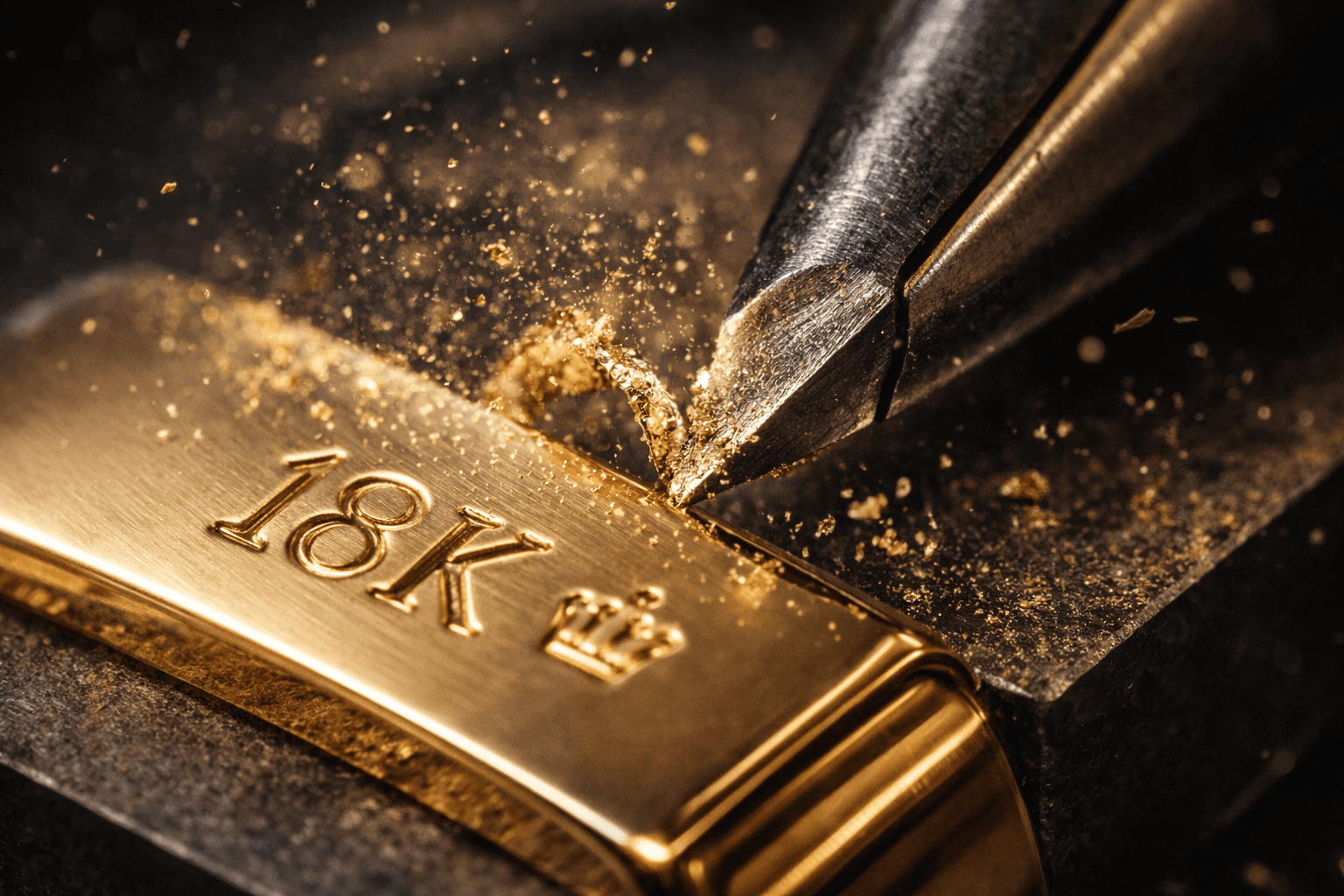
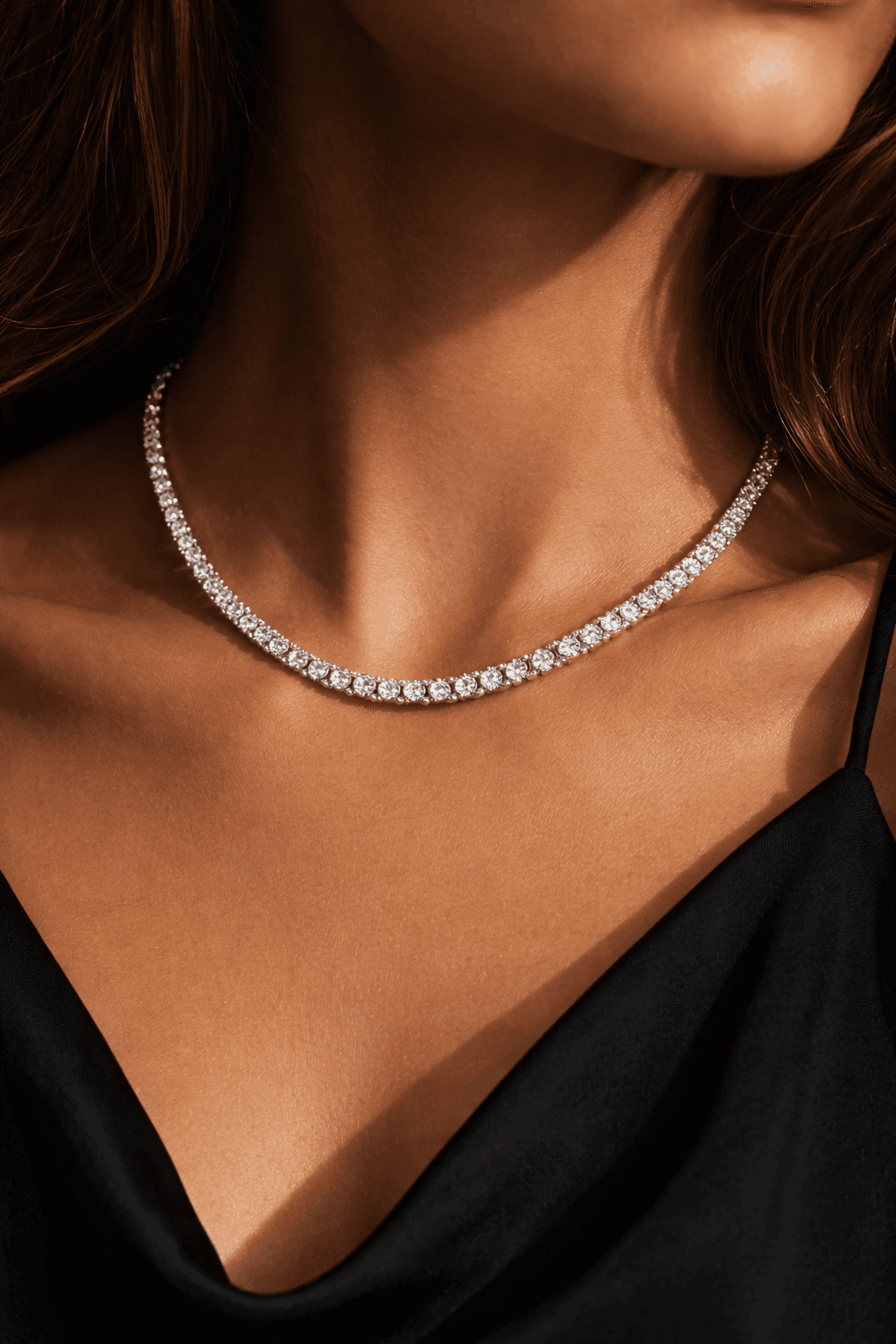
What you should pay for is cut, clarity, and craft. The way light moves through the stone. The setting that holds it. The gold it sits in. Those are the things we care about, and those are the things we price accordingly.
A diamond is forever, the saying goes. We believe that. We also believe you should be able to feel good about where it came from for just as long.